
Adapted from a real OPS Staffing article originally posted by Mitchell Riley (Jun 2016).
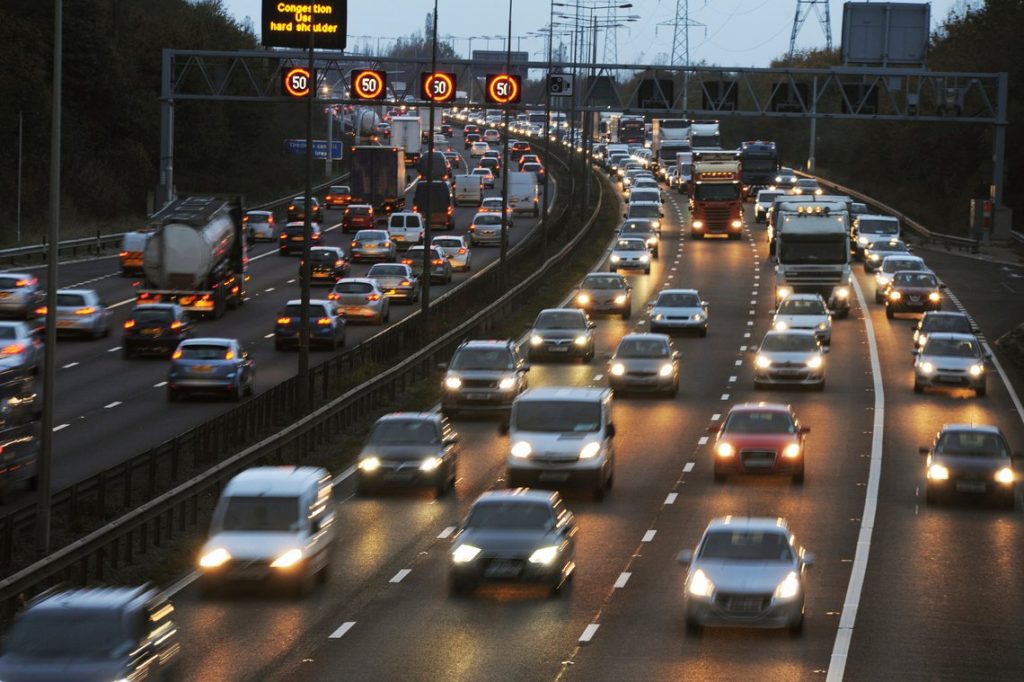
Back in 2016, a CareerBuilder survey put a number on something most of us never calculate: the cost of showing up to work. The average worker spent $276 a month — about $3,300 a year — just on the routine around the job: coffee, lunch, commuting, the dry cleaning, the little things that add up.
A decade later, that number deserves a second look — because two things happened to it.
Adjusted for a decade of rising prices — CPI is up roughly 40% since 2016 — that $276 a month is roughly $385 a month in today’s dollars — around $4,600 a year. The original breakdown still tells the story:
Nobody budgets for “going to work” as a line item. But $4,600 a year is real money — roughly two months of the average worker’s take-home pay, spent before the workday even starts.
The 2016 survey assumed everyone commutes five days a week. That world is gone. For hybrid workers going in two or three days, the daily-grind costs dropped proportionally — but they got replaced by a different expense: maintaining a work-ready setup at home, and the temptation spending of the days you’re out (the “I’m already out, might as well grab lunch” effect).
For restoration and field trades, though, the change barely registered — you can’t mitigate a water loss over Zoom. If anything, the gap widened: office workers got a commute discount while field workers kept paying full price. That’s worth remembering the next time someone wonders why skilled trades expect to be compensated accordingly.
You can’t eliminate the cost of working, but you can audit it:
The 2016 survey’s real insight wasn’t the dollar figure — it was that most people had never added it up. Ten years and one inflation cycle later, the total is bigger and the lesson is the same: know what the job costs you, then decide what it’s worth.
Looking for work where the math works in your favor? OPS Staffing connects restoration professionals with employers nationwide. Call (888) 482-6019.